



Key Takeaways
- Maintain indoor humidity between 30% and 50% to deprive mold of the moisture it needs.
- Promote ventilation, especially in moisture-prone areas such as kitchens, bathrooms, and basements.
- Act quickly to repair leaks or spills to prevent lingering dampness.
- Opt for mold-resistant materials when building or renovating.
- Clean and declutter frequently to reduce mold habitats.
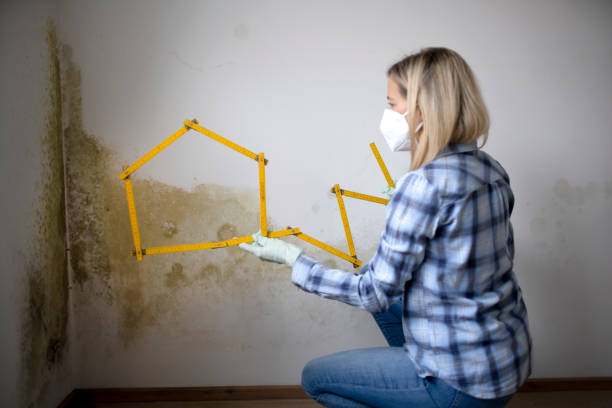
Mold growth is a common challenge that can undermine both your home’s structure and your family’s well-being. Mold spores spread quickly in the presence of moisture and organic materials, making prevention essential for maintaining a clean, safe environment. Understanding how to address the root causes of mold is the first step toward effective prevention, and when necessary, professional remediation may be required.
Managing mold is about more than just tackling visible patches. It requires ongoing attention to moisture control, ventilation, and regular home maintenance. By adopting proactive strategies, you can reduce the risk of mold and protect both your property and your loved ones.
Understanding Mold and Its Causes
Mold is a type of fungus that grows in damp, warm settings. It can appear on a range of surfaces, including drywall, ceilings, and carpets. The spores are nearly everywhere, but they only take hold when moisture levels are high. The usual suspects for mold outbreaks include persistent humidity, unnoticed water leaks, and areas with little or no airflow. By learning what creates a suitable environment for mold, you can intervene before it becomes a serious issue.
An in-depth understanding of mold’s potential effects can aid in prevention. Health authorities, such as the Centers for Disease Control and Prevention (CDC), highlight health risks, including allergies, asthma flare-ups, and respiratory infections, linked to indoor mold exposure. Vigilance is key; early intervention can prevent both health issues and expensive repairs.
Control Indoor Humidity Levels
Moisture is the primary driver behind mold growth. Indoor humidity should ideally stay between 30% and 50%. If it climbs higher, condensation can form on walls, windows, or pipes, creating a ripe environment for spores to settle. Consider investing in a hygrometer to track humidity. Dehumidifiers are effective in damp rooms, while air conditioners can help regulate temperature and moisture.
In rooms where humidity regularly spikes, such as kitchens and bathrooms, always run exhaust fans when cooking or bathing. If you do not have exhaust fans, cracking a window to let steam and moisture escape can go a long way toward keeping humidity in check.
Ensure Proper Ventilation
Stale, stagnant air lets moisture linger and fuels mold. Windows that are rarely opened or poorly designed ventilation systems can unintentionally trap humidity. Ensure consistent airflow in your home. Use powered exhaust fans, open windows when practical, and allow air to circulate in closets or storage spaces.
Incorporating whole-house ventilators or energy recovery ventilators can improve indoor air quality and help control moisture. For more tips about optimizing your home’s ventilation, the Environmental Protection Agency (EPA) offers comprehensive guidelines.
Address Water Leaks and Spills Promptly
Water intrusion, even in small amounts, can lead to mold growth within 24 to 48 hours. Regularly inspect your roof for missing shingles, check under sinks for dripping pipes, and examine windows for any moisture accumulation. Whenever you notice a leak, address it immediately and ensure the affected area is completely dry. This includes wet carpet, behind cabinets, and under appliances.
Use Mold-Resistant Materials
Building materials make a difference in mold prevention. If you’re remodeling or constructing a new home, look for mold-resistant drywall, specialty paints, and insulation. These products are formulated to resist moisture absorption, helping prevent mold colonization before it starts. Consider ceramic tiles, vinyl flooring, and metal studs in areas prone to moisture, such as bathrooms or basements
Regular Cleaning and Decluttering
Keeping your living spaces clean removes dust and organic matter, which feed mold. Pay extra attention to bathrooms, laundry rooms, and any area where water is used frequently. Regularly vacuum and dust, focusing on hard-to-reach areas, including behind furniture and in closets.
Decluttering helps keep air moving freely and stops moisture from settling in hidden areas. Closets packed with clothes, for example, can trap humidity and create a breeding ground for mold. Organize and rotate items regularly to minimize risk.
Monitor and Maintain Gutters and Downspouts
Water can easily seep into your home’s foundation when gutters and downspouts are obstructed. Clear them out at least twice a year, and confirm that water drains well away from the house. Extend downspouts if necessary to ensure runoff does not collect near walls or basement windows.
Be Aware of Mold-Prone Areas
Some spaces, such as basements, attics, and bathrooms, are particularly vulnerable to mold growth due to higher humidity and limited ventilation. Set a routine to inspect these areas for dampness, discoloration, or musty odors. Using desiccant packs or moisture absorbers in closets and other enclosed spaces can help further mitigate risk.
Conclusion
Preventing mold requires ongoing vigilance. Consistently monitoring humidity, promptly addressing leaks, ensuring strong ventilation, and cleaning regularly are critical. These maintenance investments protect both your home’s structural integrity and your family’s health in the long term. With an informed approach and early intervention, you can significantly reduce the threat of mold and maintain a safer, healthier indoor environment.


