


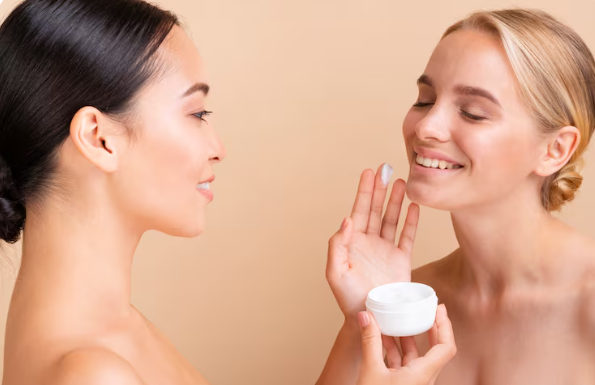

If you have oily skin, choosing the right moisturizer can feel confusing. Many people think skipping moisturizer will reduce oil-but in reality, it often makes things worse. When your skin lacks hydration, it produces even more oil to compensate, leading to breakouts and shine.
The real solution isn’t avoiding moisturizers-it’s choosing the right type. And that brings us to the big question: gel or cream-what actually works better for oily skin?
Let’s break it down in a simple, practical way.
Understanding the Difference: Gel vs Cream
Before deciding what’s better, it’s important to understand how these two types are different.
Gel Moisturizers
Gel moisturizers are usually water-based, lightweight, and fast-absorbing. They feel cool on the skin and don’t leave behind any greasy layer.
They typically contain ingredients like hyaluronic acid and glycerin that hydrate without adding oil.
Cream Moisturizers
Creams are thicker and richer. They contain oils and emollients that help lock in moisture and strengthen the skin barrier.
They’re designed to provide deeper nourishment-but that richness can sometimes feel heavy on oily skin.
Why Gel Moisturizers Work Better for Oily Skin
For most people with oily or acne-prone skin, gel-based moisturizers are a better everyday choice.
Here’s why:
1. Lightweight Hydration Without Grease
Gel moisturizers hydrate your skin without making it oily or sticky. They absorb quickly and leave a matte or fresh finish.
2. Helps Control Excess Oil
Because they are water-based, gels keep your skin hydrated without triggering excess sebum production. This helps reduce that midday shine.
3. Perfect for Indian Weather
In humid climates, heavy creams can feel suffocating on the skin. Gel moisturizers are breathable and comfortable, especially during summer.
4. Less Likely to Clog Pores
Gel formulas are usually non-comedogenic, meaning they won’t clog pores or cause breakouts-something oily skin struggles with.
When Cream Moisturizers Can Still Work
This doesn’t mean creams are completely off-limits for oily skin. In some cases, they can actually be helpful.
1. If Your Skin Is Dehydrated
Oily skin can still lack water. If your skin feels tight underneath but oily on top, a lightweight cream can help restore balance.
2. During Winter or AC Exposure
Cold weather or constant air conditioning can dry out your skin. A cream moisturizer can provide extra nourishment when needed.
3. Night-Time Skincare
Using a light cream at night can help repair your skin barrier while you sleep without worrying about daytime shine.
According to skincare insights, creams act as “barrier builders” by sealing moisture into the skin, making them useful in specific situations.
The Ideal Approach: Not Either, But Both
Here’s something most people don’t realize-you don’t always have to choose just one.
A balanced routine could look like this:
- Morning: Use a gel moisturizer for a light, non-greasy finish
- Night: Use a light cream if your skin needs extra hydration
This way, your skin gets hydration without feeling heavy during the day and proper nourishment at night.
What Should You Look for in a Moisturizer?
No matter which type you choose, certain factors matter more than the texture itself.
Look for:
- Oil-free and non-comedogenic formulas
- Ingredients like hyaluronic acid, niacinamide, and glycerin
- Lightweight hydration that doesn’t clog pores
Avoid:
- Heavy oils and thick occlusives (especially during the day)
- Strong fragrances if your skin is sensitive
If you’re exploring options, choosing an oily skin moisturizer that is specifically designed for lightweight hydration can make a noticeable difference.
Natural vs Synthetic: Does It Matter?
Many modern formulations combine science with nature, but going for gentle, skin-friendly ingredients is always a safer choice-especially for oily or acne-prone skin.
A well-formulated natural skin moisturizer can hydrate your skin while supporting its natural balance, without overwhelming it with harsh chemicals.
Common Mistakes to Avoid
Even with the right product, mistakes can affect your results:
- Skipping moisturizer completely – leads to more oil production
- Using too much product – can clog pores
- Layering heavy products – makes skin greasy
- Not adjusting with seasons – your skin needs change
Final Verdict: Which Is Better?
If we had to choose one for oily skin, gel moisturizers win for daily use.
They are:
- Lightweight
- Non-greasy
- Fast-absorbing
- Ideal for humid weather
However, cream moisturizers still have their place-especially for nighttime, winter, or dehydrated skin.
Final Thoughts
Oily skin isn’t about removing oil completely-it’s about balance. The right moisturizer helps regulate your skin, not fight against it.
If your skin feels greasy, dull, or prone to breakouts, the issue might not be oil-it might be improper hydration.
Start simple. Choose the right texture. Stay consistent.
Your skin will respond.
