


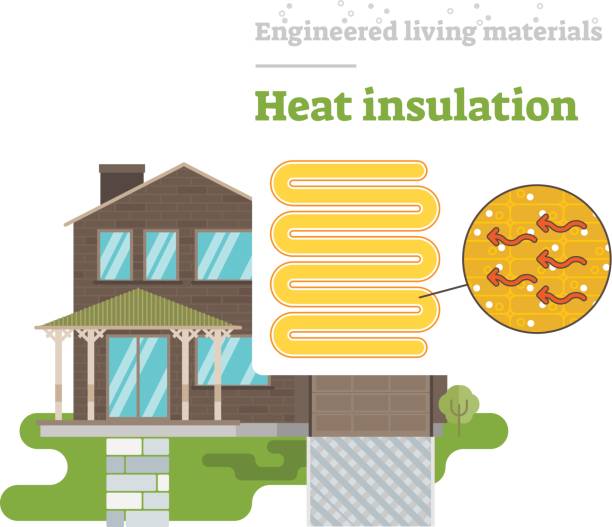

Insulation is a critical component in maintaining a comfortable and energy-efficient home. Over time, however, insulation can settle, compress, or shift, leading to gaps and reduced effectiveness. This settling process is often gradual and may go unnoticed until energy bills rise or indoor comfort declines. Understanding how settled insulation impacts energy efficiency is essential for homeowners who want to maintain optimal indoor temperatures and minimize energy waste. Addressing insulation issues promptly can help prevent unnecessary heat loss in winter and heat gain in summer, ensuring that your home remains both comfortable and cost-effective throughout the year.
What to Expect from Settled Insulation
The Science Behind Insulation Settling
Insulation materials are designed to trap air and slow the transfer of heat between the inside and outside of a building. Over time, however, gravity, moisture, and even vibrations from daily activities can cause insulation to settle or compress. This is particularly common with loose-fill or blown-in insulation, which can shift and compact more easily than batt or rigid foam types. As insulation settles, its ability to trap air diminishes, reducing its thermal resistance, also known as R-value. The loss of R-value means that the insulation is no longer performing at its intended level, allowing more heat to escape during the winter and enter during the summer. This process can be exacerbated by factors such as roof leaks, poor ventilation, or pest infestations, all of which can accelerate the degradation of insulation materials. Homeowners may not notice the effects immediately, but over time, the cumulative impact of settled insulation can lead to significant energy loss and increased utility costs.
How Settled Insulation Impacts Energy Bills
When insulation settles, it creates voids and uneven coverage within walls, attics, or crawl spaces. These gaps become pathways for heat to move more freely, undermining the barrier that insulation is supposed to provide. As a result, heating and cooling systems must work harder to maintain a consistent indoor temperature, leading to higher energy consumption and increased wear on HVAC equipment. The financial impact can be substantial, especially in regions with extreme temperatures where heating or cooling demands are high. Homeowners may notice that certain rooms become drafty or uncomfortable, prompting them to adjust thermostats more frequently. Over time, the additional strain on heating and cooling systems can also lead to more frequent repairs or even premature replacement. For those seeking insulation services for improved comfort, addressing settled insulation is a crucial step toward restoring energy efficiency and reducing monthly utility expenses.
Signs That Insulation Has Settled
Detecting settled insulation can be challenging because the changes often occur gradually and out of sight. However, there are several indicators that may suggest insulation is no longer performing as intended. One common sign is a noticeable increase in energy bills without a corresponding change in usage patterns. Homeowners may also experience uneven temperatures throughout the house, with some rooms feeling colder in winter or hotter in summer. Drafts near walls, ceilings, or floors can indicate that insulation has shifted or compressed, allowing air to move freely through gaps. In some cases, visible signs such as sagging attic insulation or compressed material in wall cavities may be apparent during a visual inspection. Moisture problems, such as condensation or mold growth, can also signal that insulation is no longer providing an effective barrier. Addressing these issues promptly can help prevent further energy loss and maintain a comfortable indoor environment.
The Role of Professional Assessment
A professional assessment is often necessary to accurately determine the extent of insulation settling and its impact on energy efficiency. Trained technicians use specialized tools, such as thermal imaging cameras, to identify areas where insulation coverage is lacking or where heat is escaping. This evaluation can reveal hidden problems that may not be apparent during a standard visual inspection. Professionals can also assess the type and condition of existing insulation, recommend appropriate solutions, and ensure that any new materials are installed correctly. By identifying and addressing settled insulation, homeowners can restore the effectiveness of their thermal barrier and improve overall energy performance. Regular assessments are especially important in older homes, where insulation materials may have degraded over time or where previous installations may not meet current standards.
Quick Look: Why Settled Insulation Matters
Settled insulation reduces your home’s ability to retain heat in winter and keep cool air inside during summer. This leads to higher energy bills, increased strain on heating and cooling systems, and less consistent indoor comfort. Addressing settled insulation promptly helps maintain energy efficiency and protects your investment in your home.
Solutions for Restoring Insulation Performance
Restoring insulation performance after settling involves more than simply adding new material on top of the old. The first step is to remove or redistribute existing insulation to eliminate gaps and ensure even coverage. In some cases, it may be necessary to replace old or damaged insulation entirely, especially if it has been compromised by moisture or pests. Modern insulation materials, such as spray foam or high-density fiberglass, offer improved resistance to settling and can provide a more durable solution. Proper installation techniques are also critical to prevent future settling and maintain consistent thermal performance. Homeowners should consider working with qualified professionals who can assess their specific needs and recommend the most effective approach. Upgrading insulation not only improves energy efficiency but can also enhance indoor air quality and reduce noise transmission between rooms. Investing in high-quality materials and proper installation can yield long-term savings and a more comfortable living environment.
Preventing Future Insulation Problems
Preventing insulation from settling in the future requires a combination of proper installation, regular maintenance, and attention to building conditions. Ensuring that insulation is installed at the correct density and thickness helps minimize the risk of settling over time. Addressing moisture issues, such as roof leaks or poor ventilation, is also essential, as water can cause insulation to clump, compress, or degrade. Regular inspections, especially after severe weather events or renovations, can help identify early signs of settling or damage. Homeowners should also be mindful of pest control, as rodents and insects can disturb insulation and create additional gaps. By taking proactive steps to maintain insulation, it is possible to preserve energy efficiency and avoid the need for costly repairs or replacements in the future. Consistent attention to insulation health supports a more sustainable and comfortable home environment.
Conclusion
Settled insulation is a common but often overlooked issue that can significantly reduce a home’s energy efficiency and comfort. As insulation compresses or shifts over time, it loses its ability to act as an effective barrier against heat transfer, leading to higher energy bills and increased strain on heating and cooling systems. Recognizing the signs of settled insulation and taking prompt action to address the problem can help restore optimal performance and protect your investment in your home. Regular assessments, proper installation, and ongoing maintenance are key to preventing future issues and ensuring that your insulation continues to provide reliable protection year after year. By prioritizing insulation health, homeowners can enjoy a more comfortable, energy-efficient living space and long-term savings on utility costs.


