


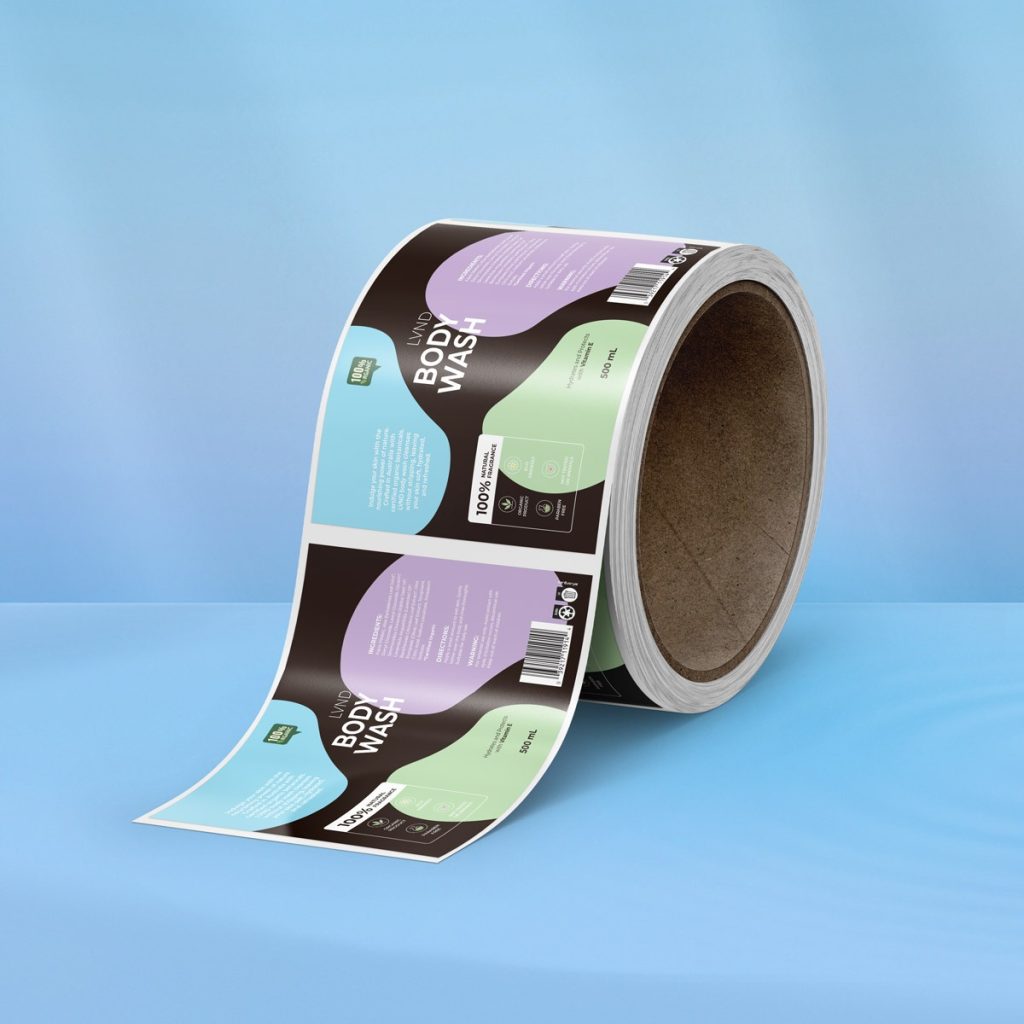

The decision to get labels printed for your product gets rushed more than most people admit. A deadline hits, stock runs low, and suddenly the cheapest option with the fastest turnaround wins. That works once, maybe twice. But over time, reactive label buying quietly creates problems that cost far more to fix than the original saving was worth. Getting this balance right from the start matters more than most businesses realise.
The good news is that balancing cost and quality isn’t about picking a middle point and hoping for the best. Businesses sourcing printed labels Australia wide are learning that the smarter approach is matching label specifications to actual product requirements, not budget assumptions. A label for a chilled beverage bottle needs completely different materials than one going on a dry goods tin. Treating them the same is where the real money gets wasted.
Cheap Labels Have a Price You Pay Later
When the Savings Show Up on Your Product: Budget labels can look fine in the pack. The problems tend to show up later, on the shelf, in transit, or after a few weeks sitting in a humid storage room. Ink fades. Edges lift and curl. Colours shift slightly from what got approved. None of it is dramatic, but customers notice, and first impressions in retail don’t come with a second chance.
What Poor Adhesion Actually Costs a Brand: A label that peels early doesn’t just look bad. It makes people wonder about what’s inside. Shoppers decide fast, often without knowing why, and a label that looks worn or slightly off reads as a brand that doesn’t sweat the details. That’s a hard perception to shake, and it rarely shows up in the original cost comparison when the cheap option gets approved.

Premium Doesn’t Always Mean Right
Overspending on Specs You Don’t Actually Need: Not every product needs the most durable, most resistant, highest-spec label on the market. A product sold through online orders and shipped directly to customers doesn’t need the same label as one sitting in a refrigerated cabinet for three weeks. Paying for pressure-sensitive adhesive performance you don’t need is just as wasteful as underspending and watching labels fail in the field.
Matching Material to Environment First: The right starting question isn’t “what’s the best label?” It’s “where does this product actually live?” A wine bottle heading out in a summer delivery run faces completely different conditions than a skincare product sitting in a climate-controlled boutique. Humidity wrecks certain materials fast. Rough handling pulls edges up. Long shelf time fades inks that weren’t rated for it. Work out what your label will actually face, and the material choice tends to follow pretty naturally from there.

What Changes When Decisions Are Needs-Based
Reading the Product Before Choosing the Label: The businesses that get label decisions right tend to start somewhere specific: the product’s environment, not the price sheet. What conditions does the label need to survive? How long does it need to hold? What will the customer actually see when they pick it up? Those questions take a bit longer to work through upfront, but the reprint rates drop, and the reorder surprises mostly stop.
Why Flexible Label Options Make Practical Sense: A supplier that offers a range of label materials across different price points gives businesses room to make considered choices rather than forced ones. Some products need basic paper labels. Others need synthetic materials that can handle moisture or rough handling. Having access to both, without being pushed toward one end of the range, is actually what a useful label supplier looks like.
The label decisions that tend to hold up over time share a few common traits:
- Substrate material matched to actual storage and handling conditions, not just what looked good in the sample pack, because labels that lift or distort in transit don’t make it to the end customer looking right.
- Finish type locked in before the first production run, whether that’s matte, gloss, or soft-touch, so there’s no guessing on reorders and results don’t quietly drift from batch to batch.
- Adhesive strength is chosen based on what the label is actually going onto, since a spec that performs well on glass can behave completely differently on a flexible plastic pouch or a textured paper surface.
- Physical proofs are reviewed before anything runs at scale, because a colour or finish discrepancy that looks minor on screen can spread across thousands of units before anyone catches it.
When Affordable and Reliable Aren’t Opposites: These aren’t actually on opposite ends of the scale, though it can feel that way when you’re comparing quotes. Affordable label printing that skips specs you never needed is a completely different product from affordable label printing that quietly reduces quality to hit a price. One saves you money. The other just delays where you spend it.
Getting the Spec Right Before the Order Goes In
Why the Brief Matters More Than the Budget: Most label problems start well before production. A brief that assumed too much, left material type blank, didn’t confirm the finish, skipped the adhesive spec: that’s where things go wrong. Not in the printing. Leaving those details open means someone fills them in for you, and that interpretation might look fine on screen and fall short the moment it hits your actual product.
How Local Print Access Changes the Conversation: There’s a real difference between emailing a spec question and waiting two days for a reply across time zones, and picking up the phone to someone who can pull up your job file and talk it through. Local print access means samples arrive faster, problems get caught earlier, and decisions don’t stall waiting for someone on the other side of the world to start their morning.
The Label Decision That Pays Off Every Reorder
Getting label specifications right the first time quietly keeps paying back in ways that are easy to underestimate. Reorders run cleaner. Batches match. The budget that used to disappear into reprints and rushed fixes stays where it belongs. When your labels work consistently, so does everything built around them. If you’re ready to stop guessing and start specifying properly, request a quote today and find out what the right label looks like for your product.


