


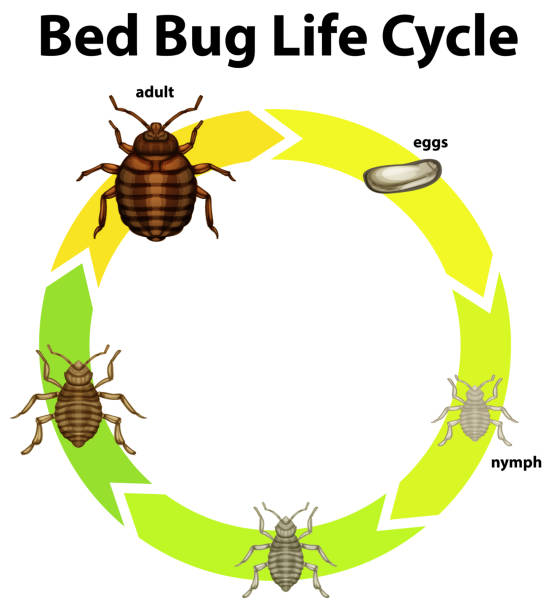

Why does a bed bug problem return even after treatment? The answer often lies in the bed bug lifecycle, because timing determines whether you eliminate eggs, nymphs, or only visible adults. When treatments miss early-stage eggs, they hatch and restart the infestation. Therefore, understanding how to kill bed bugs at each phase makes control efforts more precise and long-lasting. With the right bed bug extermination tips, you can align treatment with development stages and avoid repeated outbreaks. Keep reading to learn how proper timing improves results.
Egg Stage and the Bed Bug Lifecycle
The egg stage is crucial in the bed bug lifecycle as it enables infestations to recover rapidly. After feeding, adult females deposit eggs inside mattress seams, cracks, furniture joints, and other tight spaces. Since eggs typically hatch within 6–10 days, untreated eggs can release new nymphs soon after a service visit.
Many treatments fall short at this stage for several reasons:
- Hidden placement: Bed bugs secure eggs deep inside seams and crevices where sprays may not reach.
- Protective egg casing: Some products do not penetrate the shell effectively.
- Single-treatment gaps: If you treat only once, eggs can hatch days later and reestablish activity.
- Limited surface coverage: Focusing only on open areas leaves concealed eggs untouched.
To reduce early-stage survival, focus on limiting egg production and promptly eliminating hatchlings. The following bed bug extermination tips help minimize rebound:
- Vacuum mattress seams, bed frames, and baseboards thoroughly, then dispose of vacuum contents immediately.
- Apply direct steam heat to seams and cracks, since high temperatures kill eggs on contact.
- Schedule a second treatment within the typical hatch window to address newly emerged nymphs.
- Inspect high-risk areas frequently to detect early activity.
Nymph Development
Bed bugs pass through five nymph stages in the bed bug lifecycle before becoming adults. Each stage needs a blood meal to molt and grow. The following outlines the stages:
- First-stage nymph: It hatches small and pale, then it feeds before it can molt.
- Second-stage nymph: It feeds again and molts into a larger stage.
- Third-stage nymph: It continues feeding and molting as it grows.
- Fourth-stage nymph: It takes larger meals and hides near seams and cracks.
- Fifth-stage nymph: It feeds once more and molts into an adult.
Since nymphs must feed to grow, this stage creates a practical opportunity for control. For those wondering how to kill bed bugs during development, focus on methods that act quickly and remain effective:
- Heat treatments that eliminate nymphs across all stages when applied correctly.
- Residual products that continue killing as nymphs travel across treated surfaces.
- Crack-and-crevice applications that reach hidden harborages.
Adult Stage and How to Kill Bed Bugs Effectively
Adult bed bugs accelerate the bed bug lifecycle because they reproduce continuously under favorable conditions. Although adults remain visible, they still hide in tight gaps, furniture joints, and wall voids. Consequently, treating only exposed bugs rarely solves the problem. Adults worsen infestations in several ways, including:
- Frequent egg-laying: Adults add new bugs to the space on a steady cycle.
- Fast spread: As eggs hatch and nymphs mature, bed bugs move into nearby furniture and rooms.
- Hidden harborages: Adults stay in tight gaps, which allows populations to rebound.
To stop the cycle, target both visible bugs and hidden harborage. If you want to know how to kill bed bugs at peak reproductive activity, focus on the following:
- Treat bed frames, headboards, baseboards, and nearby furniture.
- Install mattress and box spring encasements after treatment to trap remaining bugs.
- Limit hiding spots to improve overall effectiveness.
Treatment Timing Based on the Bed Bug Lifecycle
Treatment timing must align with the bed bug lifecycle to eliminate an infestation. Because eggs resist many chemical treatments, a single visit rarely eliminates all stages. For this reason, follow-up visits are necessary to target newly hatched nymphs before they mature and reproduce.
Proper timing strategies include:
- Targeting mobile stages first: Initial treatment focuses on active adults and feeding nymphs.
- Planned follow-up visits: A second service within 10–14 days addresses newly emerged bugs.
- Interrupting development: Timely intervention prevents survivors from adding new eggs.
- Ongoing monitoring: Interceptor traps and routine inspections confirm progress.
When determining how to kill bed bugs across multiple stages, combining methods improves results. The following bed bug extermination tips strengthen stage-based control:
- Use approved residual products carefully to maintain protection between visits.
- Prepare the space beforehand to increase treatment reach.
- Continue post-treatment checks to verify elimination.
Stop the Cycle Before It Restarts
To break the cycle for good, you must first understand the bed bug lifecycle and respond with the right strategy at the right time. Otherwise, missed stages can restart the infestation and undo your progress. By learning how to kill bed bugs at each phase, you prevent reinfestation, manage costs, and shorten the disruption. That is why early action makes a measurable difference. Use proven bed bug extermination tips and consult a professional team that can help you end bed bug lifecycle in schools and daycare before the next stage takes hold.


