


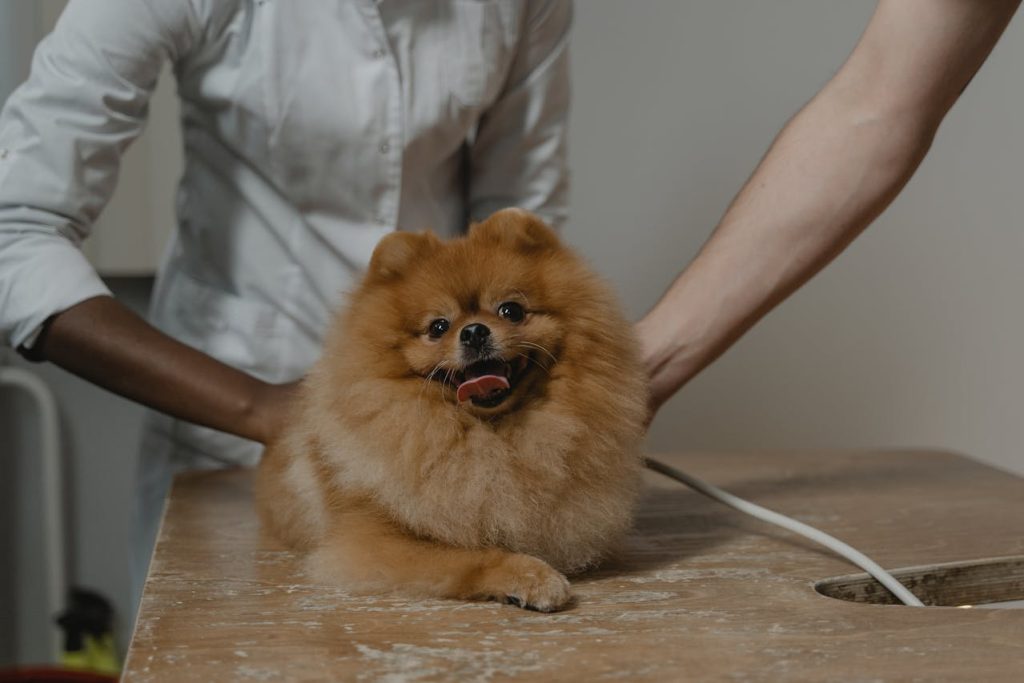

Creating a structured routine for your pet ranks among the most valuable things you can do as a pet owner. Here’s something interesting: animals actually thrive on consistency and predictability, which makes sense when you think about it. This kind of structure helps reduce anxiety and behavioral issues while promoting overall health and happiness. A well-designed routine gives your pet that crucial sense of security and strengthens the bond between you and your furry companion.
Understanding Your Pet’s Natural Rhythms and Needs
Before you jump into establishing any routine, there’s something crucial to recognize: different species and breeds come with varying energy levels, sleep patterns, and behavioral requirements. Dogs are generally diurnal creatures that need regular exercise, social interaction, and mental stimulation throughout the day. Cats, on the other hand, are crepuscular by nature, meaning they’re most active during dawn and dusk hours, and they need opportunities for hunting behaviors through play. Younger pets typically require more frequent meals, bathroom breaks, and shorter but more frequent play sessions compared to their adult counterparts.
Establishing Consistent Feeding Times and Nutrition
One of the cornerstones of any pet routine? Maintaining regular feeding schedules that support optimal health and digestion. Most adult dogs thrive on two meals per day, typically spaced approximately twelve hours apart, which helps maintain steady energy levels and prevents overeating. Cats often prefer smaller, more frequent meals throughout the day, which better mimics their natural hunting and eating patterns in the wild. Puppies and kittens require more frequent feedings, usually three to four times daily, to support their rapid growth and high metabolic rates.
Incorporating Regular Exercise and Physical Activity
Physical activity is absolutely crucial for your pet’s physical health, mental stimulation, and emotional well-being, making it an indispensable component of any daily routine. Dogs require varying amounts of exercise depending on their breed, age, and health status, with high-energy breeds needing sixty to ninety minutes of activity daily, while smaller or less active breeds may thrive with thirty to forty-five minutes. Morning walks or play sessions help burn off overnight energy and establish a positive start to the day for both you and your pet, it’s like a morning coffee, but for your furry friend. Evening exercise provides another opportunity for bonding and helps ensure your pet is adequately tired for restful nighttime sleep. For those researching Doodle puppies and their suitability for active households, doubleudoodles offers helpful insight into the energy levels and lifestyle needs of this breed before bringing one home.
Prioritizing Grooming and Hygiene Maintenance
A comprehensive pet routine must include regular grooming and hygiene practices that keep your companion clean, comfortable, and healthy. Brushing should occur at a frequency determined by your pet’s coat type, with long-haired breeds requiring daily attention while short-haired pets may need only weekly brushing sessions. Regular grooming doesn’t just prevent matting and reduce shedding, it also provides opportunities to check for skin issues, parasites, or unusual lumps that may require veterinary attention.
Dental care is often overlooked but critically important, with daily tooth brushing being the gold standard for preventing periodontal disease and maintaining overall health. Nail trimming should be performed every three to four weeks for most pets, as overgrown nails can cause discomfort, affect gait, and lead to joint problems over time. Bathing frequency varies by species and lifestyle, with most dogs benefiting from baths every four to six weeks, while cats typically manage their own hygiene effectively. For pet owners who need professional assistance maintaining their companion’s appearance and hygiene, services like pet grooming in Pinecrest, FL provide expert care that complements your home grooming routine. Incorporating these grooming tasks into your routine on consistent days and times helps your pet become accustomed to the process and makes the experience less stressful for everyone involved.
Creating Mental Stimulation and Enrichment Opportunities
Mental exercise is equally important as physical activity for maintaining your pet’s cognitive health and preventing boredom-related behavioral issues, something many pet owners don’t realize until behavior problems crop up. Puzzle feeders and interactive toys challenge your pet’s problem-solving abilities while slowing down eating pace and providing entertainment during times when you can’t directly engage with them. Training sessions, even brief five to ten-minute periods, offer mental stimulation while reinforcing good behavior and strengthening your bond through positive reinforcement techniques. Rotating toys regularly prevents habituation and maintains novelty, keeping your pet engaged and interested in their environment.
Conclusion
Creating the perfect routine for your pet requires thoughtful planning, consistency, and willingness to adapt as your companion’s needs evolve over time. By incorporating regular feeding schedules, appropriate exercise, grooming maintenance, and mental enrichment into daily life, you’re providing your pet with the structure they need to thrive physically and emotionally. Remember that every pet is unique, and what works perfectly for one animal may need adjustment for another, so remain observant and flexible in your approach. The investment you make in establishing and maintaining a comprehensive routine pays dividends through improved behavior, better health outcomes, and a deeper, more rewarding relationship with your beloved pet.


