


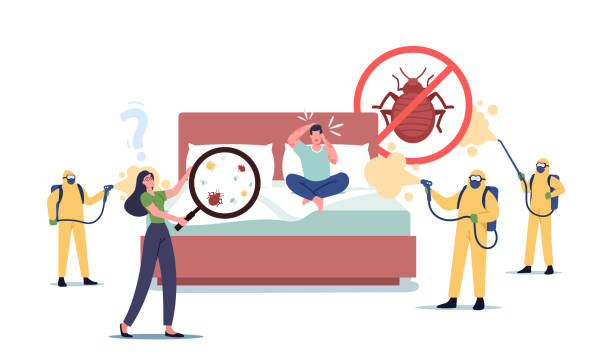

The spring travel season brings excitement—but also an increased risk of bed bug exposure. As people move between hotels, airports, and shared spaces, the chances of bringing bed bugs home rise significantly. These pests are expert hitchhikers, hiding in luggage, clothing, and personal belongings without being noticed.
Taking early action is the most effective way to reduce risk. Preventing an infestation is far easier—and less costly—than treating one. With consistent habits and awareness, homeowners can protect their spaces before problems begin. So what steps can you take now to stay ahead of bed bugs this spring?
Why Bed Bug Prevention Tips Matter Most in Spring
Increased Travel and Guest Activity
Spring is one of the busiest travel seasons of the year. Hotels, airports, buses, and rideshare vehicles are common exposure points. Bed bugs can move quickly between locations, attaching themselves to luggage and personal items.
Hosting guests also introduces risk. Visitors may unknowingly bring bed bugs from previous locations, especially after traveling. Once inside a home, these pests can spread rapidly if not detected early.
How Small Problems Become Larger Infestations
Bed bugs reproduce quickly. A small number of pests can turn into a full infestation within weeks. Early stages are often difficult to detect because bugs hide in small crevices and feed at night.
Without intervention, bed bugs can spread from one room to another, eventually affecting furniture, clothing, and wall voids. This makes treatment more complex and expensive. Preventative action reduces the likelihood of widespread infestation.
Practical Ways to Prevent Bed Bug Infestations at Home
Inspection Habits That Reduce Risk
Routine inspections are one of the most effective prevention strategies. Focus on high-risk areas such as:
- Mattress seams and tags
- Bed frames and headboards
- Furniture joints and upholstery
Using protective mattress encasements can also help reduce hiding spots and make early detection easier. Regular checks allow you to identify potential issues before they escalate.
Smart Travel Precautions
Travel habits play a major role in prevention. When staying in hotels:
- Inspect mattresses and headboards upon arrival
- Keep luggage elevated on racks away from beds
- Avoid placing clothing directly on floors or furniture
After returning home, wash and dry all clothing on high heat. Heat effectively kills bed bugs and their eggs, reducing the chance of introducing them into your home.
When to Schedule a Professional Bed Bug Inspection
Early Signs You Shouldn’t Ignore
Even with prevention, it’s important to stay alert for warning signs. Common indicators include:
- Unexplained bites appearing overnight
- Dark spotting or stains on sheets
- Shed skins near sleeping areas
These signs may seem minor, but they often indicate early-stage activity. Addressing them quickly prevents further spread.
Why Professional Bed Bug Inspection Prevents Larger Issues
A professional bed bug inspection provides a thorough evaluation of your home. Technicians are trained to detect hidden infestations that homeowners might miss.
Inspections help:
- Identify early-stage infestations
- Determine the extent of activity
- Recommend appropriate treatment options
This proactive approach supports long-term prevention and reduces the risk of recurring problems.
Long-Term Strategies to Prevent Bed Bug Infestations
Apartment and Multi-Unit Living Considerations
In apartments and shared buildings, bed bugs can move between units through walls and shared infrastructure. This increases the importance of coordinated prevention.
Reporting issues early and scheduling inspections across multiple units can help contain infestations before they spread.
Maintaining Prevention Year-Round
Bed bug prevention isn’t a one-time effort. Maintaining awareness throughout the year is key. Consider:
- Scheduling seasonal inspections
- Reducing clutter around sleeping areas
- Staying vigilant after travel or hosting guests
Consistent habits create a strong defense against infestations.
Stay Ahead of Bed Bug Risks This Spring
Spring travel increases exposure—but it doesn’t have to lead to infestation. By following proven bed bug prevention tips and staying alert to early warning signs, you can protect your home before problems begin.
Taking proactive steps now reduces stress, saves money, and ensures a comfortable living environment throughout the season. Prevention is always the best strategy when it comes to bed bugs.
Additional Prevention Tips Most Homeowners Overlook
Beyond basic habits, there are a few advanced strategies that can further reduce your risk. Regularly vacuuming along baseboards, bed frames, and carpet edges helps remove potential hitchhikers before they settle in. Sealing cracks and crevices in walls or furniture also eliminates common hiding spots.
If you frequently travel, consider using luggage liners or protective covers that are easy to clean. Keeping a designated travel unpacking area—such as a laundry room or garage—prevents potential exposure from spreading into bedrooms.
It’s also wise to inspect secondhand furniture carefully before bringing it into your home. Even items that appear clean can harbor hidden bed bugs in seams and joints.
Building a Consistent Prevention Routine
The most effective way to prevent infestations is to be consistent. Instead of reacting only when signs appear, create a routine that includes monthly checks of sleeping areas, seasonal deep cleaning, and awareness after any travel or guest visits.
Households that build prevention into their routine are far less likely to experience large-scale infestations. Early detection combined with consistent habits creates a strong, long-term defense.


