



Justin Dawson, MD, is a family practice physician based in Pocahontas, Arkansas, who has spent more than two decades providing direct patient care and serving his broader community. Since completing his residency with the Area Health Education Center Northeast in 2002, Dr. Justin Dawson has practiced at Pocahontas Medical Clinic, where he also mentors medical students and residents. For 24 years, he has provided complimentary sports physicals to student athletes in the Pocahontas School District and at Arkansas State University. This long-standing commitment gives him a practiced, informed perspective on how pre-participation evaluations protect young athletes from hidden health risks before they ever step onto the field.
How Sports Physicals Help Identify Health Risks in Young Athletes
Sports physicals mark the first step in determining a young athlete’s readiness for organized sports. Conducted before a season begins, they provide time to evaluate current health. This process emphasizes uncovering underlying medical issues rather than focusing on physical performance. Early assessment often uncovers conditions that might otherwise remain hidden.
A closer look at medical history often reveals more than most expect. Old injuries, diseases, and family health histories can affect how an athlete handles physical pressure. Breathing problems or repeated injuries may indicate caution. Family history can also reveal inherited heart health risks. Together, these clues reveal a deeper picture.
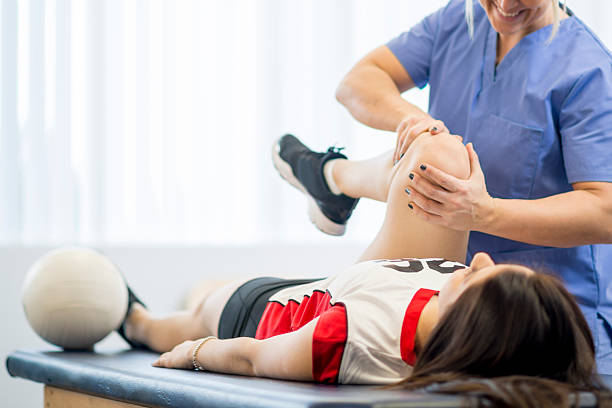
The physical exam itself adds another layer of understanding. Movement and structure sometimes reveal more than height, weight, and blood pressure. Flexibility, joint stability, and muscle balance affect stress management; thus, providers check them. Small imbalances can cause sports injuries without notice. Detecting them early improves bodily awareness.
Heart health is a central focus during these evaluations, especially because some risks lack clear warning signs. Assessing heart rhythms and circulation can uncover abnormalities that might go unnoticed. While severe cardiac conditions are rare in young athletes, their consequences can be grave. Early detection provides a chance for further testing and safer sports participation.
These physicals also create space for conversations that rarely happen in the middle of a busy season. Topics such as nutrition, hydration, and recovery begin to take shape more practically. Young athletes often focus on performance, yet their behind-the-scenes habits play an equally important role. Guidance offered during this time can influence how they approach training, rest, and overall care of their bodies.
Previous injuries often resurface during these discussions, even when they seem resolved. A joint that once caused trouble may still carry weakness or limited mobility. Without proper attention, these areas can become points of repeated strain. The physical allows providers to assess whether recovery has been complete or if adjustments are still needed. This step often prevents small issues from turning into recurring setbacks.
Mental and emotional well-being also comes up in the conversation, even if it is not the primary focus. Sports come with pressure, expectations, and disappointment. These things can affect an athlete’s mood on and off the field. A simple physical check-in may indicate stress or tiredness that may otherwise go unnoticed. These components assist in balancing health.
Growth patterns in younger athletes introduce another factor that often goes unnoticed. Rapid changes in height and body structure might impair coordination and increase the risk of accidents. Physically, what worked months ago may no longer work. Monitoring these shifts aligns activities with development. This knowledge promotes healthy progression over overtraining.
Sports physicals can also reveal gaps in overall healthcare that reach beyond athletics. These visits might include immunizations, treatment for minor illnesses, and general health screenings. Addressing preventable issues helps avoid interruptions in participation. This comprehensive approach shows athletic readiness depends on total health, not just fitness.
Over time, these evaluations also help build familiarity between the athlete and the healthcare provider. Regular visits build continuity, making incremental changes easier to spot. Growth, injury, and health patterns emerge. This continuing relationship informs care rather than one-time assessments.
Seen from a wider perspective, sports physicals shift the focus from reacting to problems toward understanding them before they fully develop. They integrate health into their preparation rather than treat it as an afterthought. This technique gently changes how young athletes view success, relating performance to awareness and long-term well-being rather than short-term achievements.
About Justin Dawson
Justin Dawson, MD, has practiced family medicine at Pocahontas Medical Clinic in Pocahontas, Arkansas, since completing his residency in 2002. He serves as a preceptor for medical students and residents, and has volunteered complimentary sports physicals to local school district and college athletes for 24 years. His community contributions include disaster response during Hurricane Katrina, international medical missions in Belize and Colombia, and membership on both the Arkansas Ad Hoc Disaster Committee and the Randolph County Disaster Preparedness Committee.


