


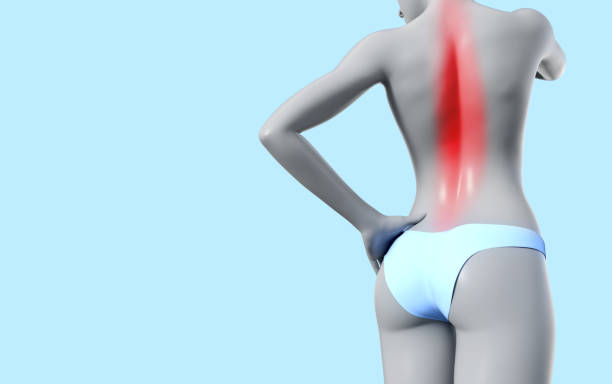

Back pain is something most people encounter at some point, maybe after moving furniture, spending hours hunched over a desk, or waking up on the wrong side of the bed. But there’s a particular type of discomfort that stands apart from your garden-variety backache. If you’ve ever felt a searing, electric pain shoot down your leg, possibly with tingling or numbness tagging along, you’ve crossed into different territory altogether. This isn’t just another bout of muscle soreness; it’s a nerve-related condition that affects millions worldwide.
Understanding the Sciatic Nerve and Its Role in Your Body
Your sciatic nerve isn’t just any nerve, it’s the longest and widest one running through your entire body. This impressive structure starts in your lower back, weaves through your hips and buttocks, then branches down each leg. It originates from nerve roots between the L4 and S3 vertebrae, where multiple nerve branches come together to form this essential highway of communication. What makes it particularly important is its dual function: it controls the muscles that let you walk, stand, and move your legs, while simultaneously sending sensory information about touch, temperature, and pain back to your brain.
The Distinctive Pain Pattern That Sets Sciatica Apart
The way sciatic nerve involvement feels is worlds apart from typical back pain. Standard back discomfort usually shows up as a dull, achy sensation or stiffness that sticks to your back muscles. Sciatic pain, on the other hand, tends to announce itself with sharp, burning, or shock-like sensations that travel from your lower back or buttock straight down the back of your thigh, sometimes reaching all the way to your calf or foot. You’ll typically notice this pathway on just one side of your body, it rarely strikes both legs at once.
Common Causes and Risk Factors Behind Nerve Compression
A variety of conditions can squeeze or irritate the sciatic nerve, with herniated discs leading the pack. When the gel-like material inside your spinal discs pushes through a crack in the tougher exterior, it can press right against the nerve root and trigger those telltale symptoms. Spinal stenosis, where the spinal canal gradually narrows (often as we age), reduces the space available for nerves and creates pressure. Degenerative disc disease occurs when the cushioning between your vertebrae breaks down over time, shifting spinal alignment and setting the stage for nerve problems. Sometimes the culprit is piriformis syndrome, where a deep muscle in your buttock goes into spasm and irritates the nearby nerve. Bone spurs, those bony growths that can develop along the edges of bones, may grow large enough to press on nerve tissue. For professionals seeking a deeper understanding of symptoms and evidence-based management, an understanding of what is sciatica provides comprehensive guidance on recognition and treatment approaches.
According to the National Institute of Neurological Disorders and Stroke, several factors increase your risk: age-related spinal changes, excess weight that stresses your spine, jobs involving heavy lifting or extended sitting, diabetes that compromises nerve health, and prolonged sitting that puts sustained pressure on nerve pathways. Grasping these underlying causes helps you see that this condition stems from structural or mechanical problems rather than simple muscle fatigue.
Why Traditional Back Pain Remedies May Not Provide Relief
Treating sciatic nerve compression with methods designed for sore muscles often leads to frustration because you’re tackling the wrong problem. Heat therapy and massage can work wonders for tight, overworked muscles, but they can’t reduce the pressure on a compressed nerve or calm inflammation traveling along a nerve pathway. The over-the-counter pain relievers that effectively handle muscle soreness might barely make a dent in nerve pain, which typically requires different approaches. Rest by itself, while sometimes beneficial for muscle strains, doesn’t necessarily take pressure off a compressed nerve and might actually backfire if too much inactivity leads to muscle weakness and additional biomechanical issues.
Diagnostic Approaches and When to Seek Professional Help
Figuring out whether you’re dealing with nerve compression or simple back pain calls for evaluation by healthcare professionals who can assess your specific symptoms and their root causes. Your doctor will likely start with a detailed physical exam, checking your muscle strength, reflexes, and ability to sense touch in different parts of your legs. You might be asked to perform certain movements like walking on your toes or heels, which can reveal weakness patterns pointing to nerve involvement. The straight leg raise test is particularly revealing, while you lie on your back, your doctor lifts your leg and watches whether this reproduces your symptoms, indicating nerve tension.
Conclusion
What really separates general back pain from sciatic nerve involvement is the nerve’s role in creating symptoms that reach far beyond your back. Muscular back pain stays put and typically responds well to conventional treatments like rest and heat, while nerve compression produces that distinctive radiating pain, numbness, and weakness following specific pathways down your leg. Understanding these differences puts you in a better position to seek appropriate care instead of spinning your wheels with home remedies designed for entirely different problems. Knowing the anatomical basis for your symptoms and the various factors that can cause nerve compression helps you communicate more effectively with healthcare providers and make smarter decisions about your treatment.


