


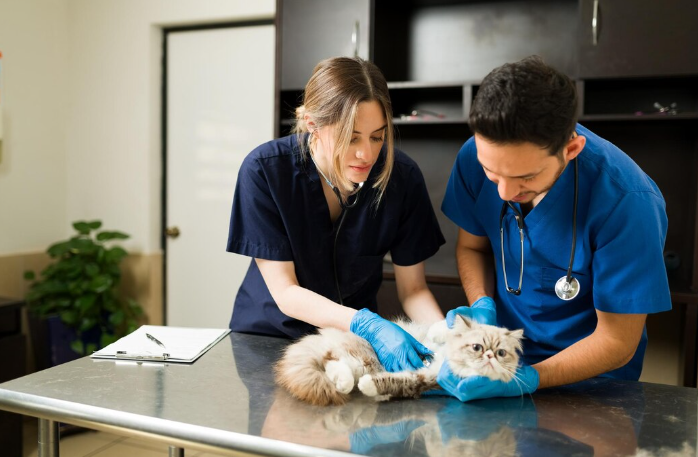

Disability insurance for veterinarians helps protect their income when illness or injury affects their ability to work. As career paths expand into contracts, ownership, and practice operations, coverage decisions carry broader financial consequences, so veterinarians should prepare for unexpected hardships. Here are a few aspects veterinarians need to know about disability insurance policies:
Check Occupation Definition Language
Individual disability insurance for veterinarians outlines what specific duties constitute disability coverage, from internship through residency to clinical practice. The own-occupation coverage recognizes the technical skills, patient care, and administrative tasks required in each role. It correlates disability with the veterinarian’s inability to perform specific medical or surgical duties within the occupation for which they are trained.
Partial disability coverage applies when an illness or injury limits working hours or shifts; this includes emergency veterinarians transitioning to scheduled daytime clinic work. Individual disability insurance can reflect these evolving work patterns by including partial disability benefits and verifying income loss thresholds. A longer benefit period keeps coverage in effect if a disability persists beyond recovery from a specific treatment or episode. A long-term plan helps protect the veterinarian’s income continuity throughout the duration of their medical career.
Compare Employment Benefit Terms
Evaluating disability coverage during contract negotiations allows veterinarians to compare employer benefits against individual long-term disability policies. Contract terms, including salary, schedule, and malpractice filings, reveal whether additional individual coverage is needed to address gaps. Standard employment agreements also outline the waiting period until new hires become eligible for employer-provided disability or other insurance benefits. Verify when each benefit takes effect; this allows veterinarians to identify any gaps between start dates and the beginning of coverage.
Medical practice contracts may stipulate whether disability claims must be filed before pay continues or how much proof is required. This affects claim timelines for those transitioning jobs. When reviewing employee benefit proposals, physicians and veterinarians should compare them to policy terms and definitions, then include individual coverage in the resulting overall protection portfolio.
Assess Practice Overhead Needs
When a veterinarian is preparing to purchase or launch a startup clinic, adding a disability policy with business overhead expense benefits can help maintain the timeline of opening. Overhead expense insurance supports various obligations, including funding fixed practice expenses like equipment lease obligations and taxes if the owner’s ability to work changes. Reviewing monthly payroll, rent, utilities, and loan obligations helps define how much overhead coverage the practice may need. That assessment gives practice owners a clearer view of which fixed expenses are able to continue during a temporary disability. Including these aspects in a policy enables business operations to stay on schedule.
Ask Partnership Policy Questions
Partnership in a veterinary practice comes with shared decision-making responsibilities, including reviewing disability coverage and how it affects individual veterinarians. A clinic with a partnership may require complex policies, so working with a disability insurance company provides professional guidance on providing ideal coverage. This also allows partnerships to plan ahead so income for the practice and the disabled veterinarian remains constant.
Coordinate Individual Group Benefits
Group benefit insurance plans help veterinarians coordinate individual disability coverage with broader career planning. When choosing employment options, they may evaluate how individual disability protection fits with group benefits; this includes health and life insurance. Consistent coverage through career shifts in internships, residencies, private practice, or corporate roles helps medical professionals plan their financial options.
Financial planning support can help manage occupation-related risks and tie disability coverage to succession planning. Review group policies to determine how employer-provided disability coverage aligns with individual plans. Veterinarians may compare individual protection policies with clinic-level benefits, so they are able to match personal income with practice-level exposure.
Explore Disability Insurance for Veterinarians
A disability insurance advisor assists veterinarians in reviewing insurance policies alongside policy features for coverage. The advisor may offer policy comparisons, contract analysis, and risk management across practice life stages. Experienced insurance providers help veterinarians secure individual policies or expand practice plans with disability coverage for multi-doctor clinics. Their knowledgeable service for the veterinary profession advances long-term practice security. Some companies provide consultations, and this allows veterinary students and graduates to understand which policy will provide security for their future plans. Contact knowledgeable advisors about disability insurance for veterinarians when reviewing coverage options.


