

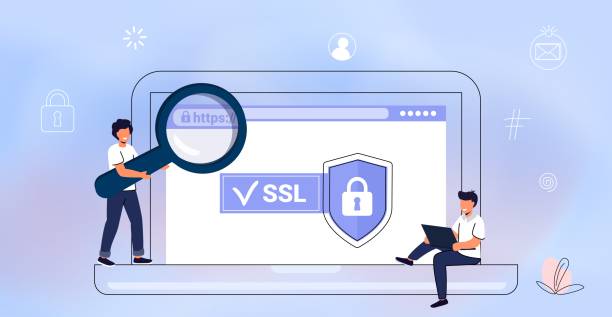

You have probably noticed the small padlock icon next to the URL in your web browser. That simple padlock tells visitors their connection is secure. If you run a website, getting that padlock is not optional anymore. You need one. But figuring out the actual SSL certificate cost can feel like solving a puzzle.
Prices average around $60 per year, but they can range anywhere from completely free up to $1,000 annually. Why such a massive gap?
This guide breaks down exactly what drives these prices. You will learn what these certificates do, why your site needs one, and how to find the perfect option for your budget.
What is an SSL Certificate?
SSL stands for Secure Sockets Layer. Think of an SSL certificate as a digital passport for your website. It proves your site’s identity and creates a secure, encrypted connection between your server and your visitor’s web browser.
When a user visits your site, the SSL certificate scrambles the data traveling back and forth. If a hacker tries to intercept this data—like credit card numbers, passwords, or personal emails—they will only see a mess of unreadable characters.
Why is an SSL Certificate Important?
Securing your website provides three massive benefits:
- Trust and Credibility: Browsers like Google Chrome aggressively flag websites without SSL. They slap a bright red “Not Secure” warning on the address bar. An SSL certificate prevents this warning and shows visitors you take their privacy seriously.
- Data Protection: Encryption keeps sensitive information safe from cybercriminals. If you run an online store or collect user data through forms, encryption is an absolute requirement.
- Search Engine Optimization (SEO): Search engines prefer secure websites. Google openly uses HTTPS as a ranking signal. Investing in an SSL certificate can give your website a helpful bump in search engine results.
Factors Affecting SSL Certificate Cost
If all certificates encrypt data, why does the SSL certificate cost vary so much? Several factors influence the final price tag.
Validation Levels
Certificate authorities (CAs) issue SSL certificates. Before they issue one, they must verify your identity. A basic automated check costs very little. A deep, manual investigation into your company’s legal background costs significantly more. The deeper the check, the higher the price.
Provider Reputation
Just like buying clothes or cars, brand name matters. Highly trusted, legacy certificate authorities charge a premium for their name and reputation. Smaller or newer providers often offer cheaper alternatives.
Additional Features
Many premium certificates come bundled with extras. You might get higher financial warranties, malware scanning, or premium customer support. If a data breach occurs due to a certificate flaw, the warranty covers the damages up to a certain amount. Higher warranties drive up the total cost.
Breakdown of SSL Certificate Cost by Type
To understand exactly what you are paying for, you need to look at the four main types of certificates.
Domain Validation (DV)
DV certificates are the fastest and cheapest option. The provider only verifies that you own the domain name. The process takes minutes.
- Best for: Personal blogs, portfolios, and informational sites.
- Estimated Cost: Free to $50 per year.
Organization Validation (OV)
OV certificates step up the security. The provider checks your domain ownership and verifies your organization’s basic legal information. Visitors can click the padlock to see your verified company details.
- Best for: Small to medium businesses and lead-generation websites.
- Estimated Cost: $50 to $200 per year.
Extended Validation (EV)
EV certificates offer the highest level of trust. The provider conducts a rigorous background check on your business. This process can take several days. These certificates offer the maximum warranty levels and strict security standards.
- Best for: Ecommerce stores, banks, and large enterprises.
- Estimated Cost: $100 to $1,000 per year.
Wildcard SSL Certificates
Standard certificates only secure one specific domain (like yoursite.com). A Wildcard certificate secures your main domain plus an unlimited number of subdomains (like blog.yoursite.com or shop.yoursite.com).
- Best for: Websites with multiple active subdomains.
- Estimated Cost: $50 to $600 per year (depending on whether it is a DV or OV Wildcard).
Tips for Choosing the Right SSL Certificate
Keep these practical tips in mind before you buy:
- Assess Your Data Collection: If you run a simple blog that does not collect payments or sensitive data, a free or cheap DV certificate works perfectly. If you process credit cards, upgrade to an OV or EV certificate.
- Check Your Hosting Provider: Many web hosts include free SSL certificates with their hosting packages. Always check your current hosting dashboard before buying one elsewhere.
- Count Your Subdomains: Do you plan to add a store or a customer portal on a subdomain later? Buying a Wildcard certificate now might save you money and setup time down the road.
- Look for Multi-Year Discounts: Providers often lower the annual SSL certificate cost if you commit to a two-year or three-year plan.
Secure Your Website Today
Understanding the true SSL certificate cost helps you make a smart, budget-friendly decision. You do not always need the most expensive option, but you absolutely need the protection that encryption provides.


